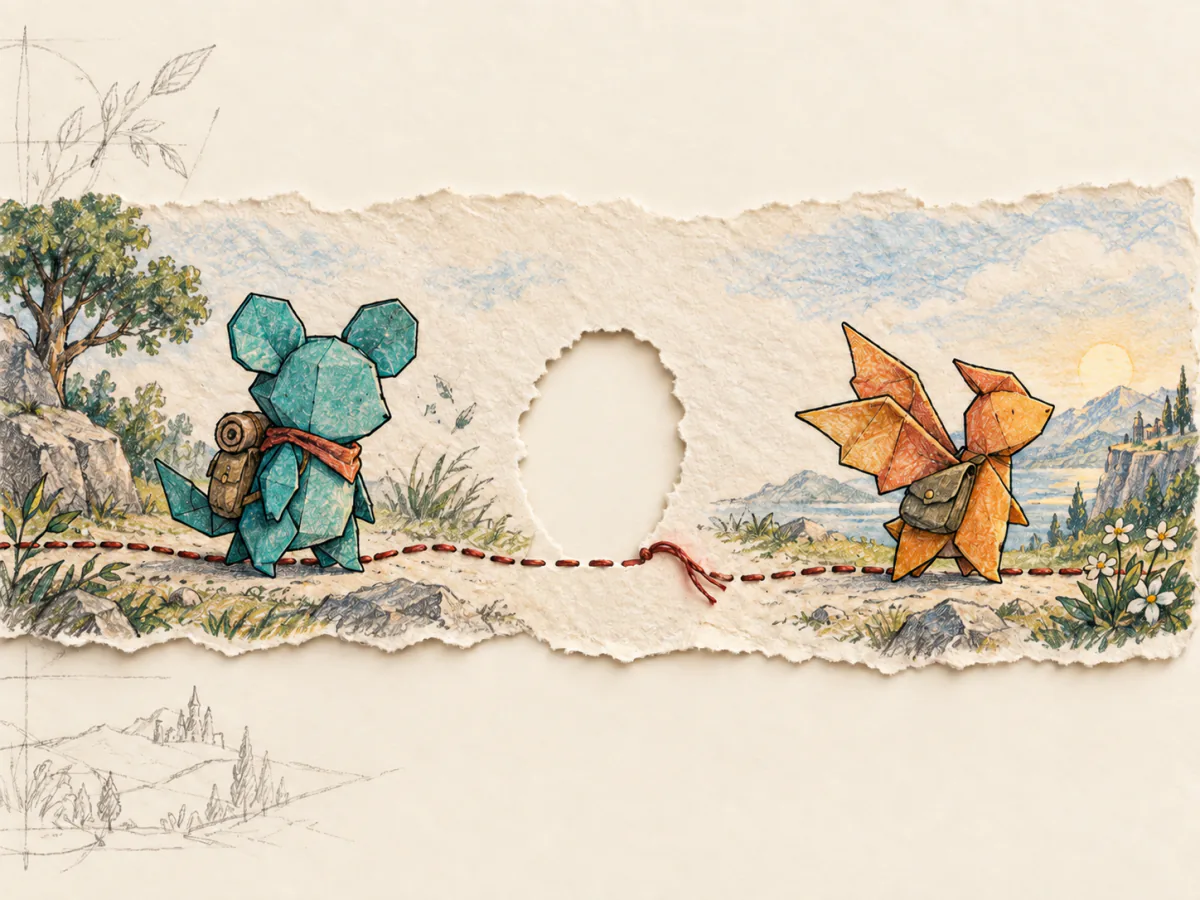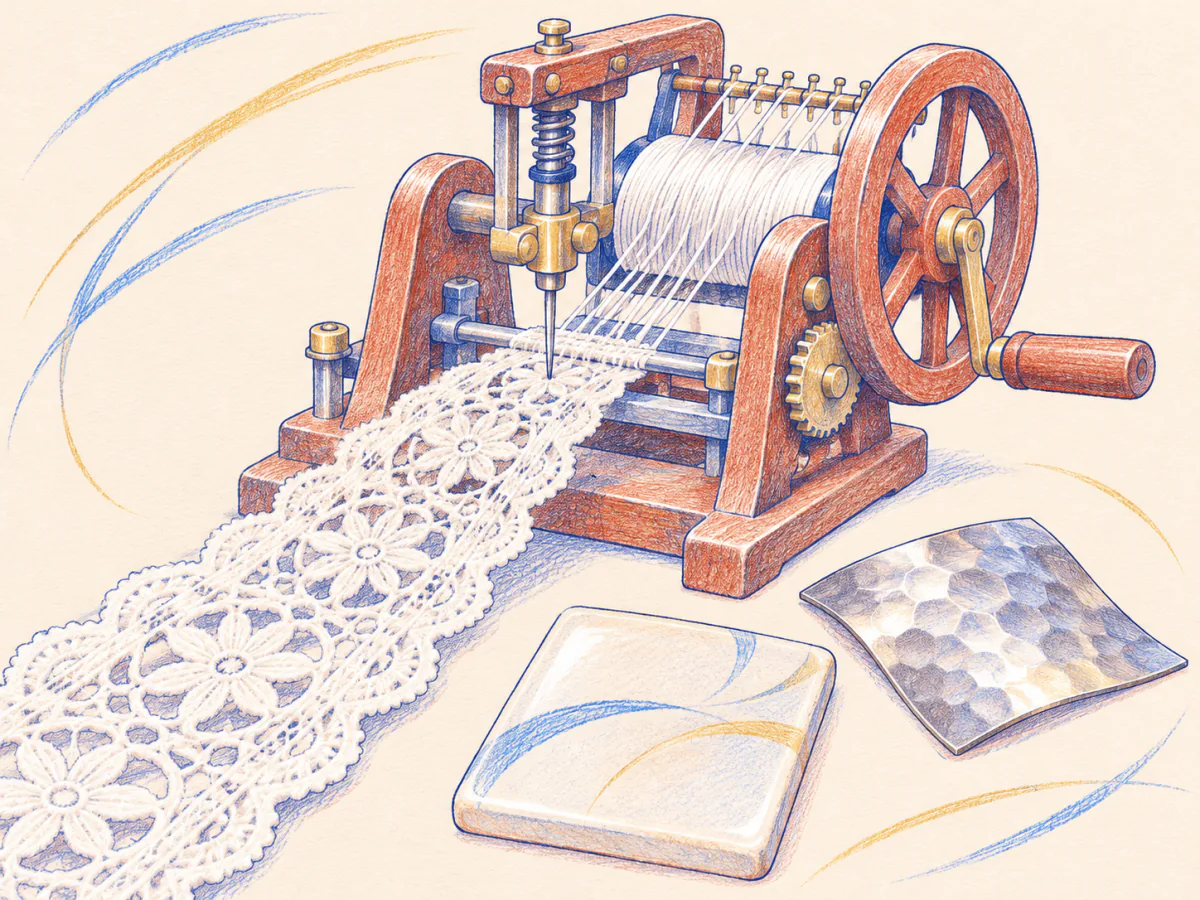
In Pokémon × Kogei, Pikachu becomes the subject of an installation made of cotton and lace, set in the middle of a forest imagined by Reiko Sudo. Morihito Katsura, for his part, transforms Noctali into a brooch or a metal ornament for the obi, the sash of a kimono. The creature remains recognizable, but the challenge shifts: how can its form be captured in a material, under the artisan’s skilled hands?
The exhibition brings together twenty artists working in traditional Japanese crafts. In Miyagi, from October 10 to December 27, 2026, it will feature approximately one hundred works. For a family that first encountered Pokémon through video games, trading cards, or coloring books, the joy comes from this encounter between a familiar character and a less familiar craft: throwing clay, shaping a form, working with thread, or engraving metal.
Twenty artists, twenty ways to bring a Pokémon to life
The official Pokémon × Kogei website describes the project as a meeting between these creatures and Japanese arts and crafts. The works take various approaches: some capture a silhouette, others evoke a movement or a memory of a game, and still others incorporate the Pokémon into an everyday object. A mug, a jar, a textile, and a metal piece each present a different challenge to the artist.
The stop at the Tōhoku History Museum in Tagajō, Miyagi Prefecture, is billed as the final one in Japan; the official website also announces an exhibition in Taipei in 2027.
The artwork descriptions highlight a wide variety of techniques, dimensions, and uses. This is where the visit becomes particularly interesting for a child who is already familiar with the characters: they can explore what makes them recognizable even as the medium changes completely.
Charizard Takes Shape in a Jar
Ceramic artist Keiko Masumoto presents a work titled Charizard/Shigaraki Jar, a jar associated with Charizard. Its description notes that it is made of stoneware, wheel-thrown, and hand-modeled. These three details are enough to shift one’s perspective. An image of Charizard can suggest the mass of its body and the curve of its wings with just a few strokes; with the jar, observe how its silhouette blends with the volume of the vessel. The title of the work brings a fire-breathing creature closer to a traditional ceramic form, without reducing one to mere decoration for the other.
With his Pikachu mugs, Takuro Kuwata chooses a different scale: that of an object one could hold in one’s hands. His description lists porcelain, stoneware, glaze, and metallic decorations. Size, weight, and surface texture matter just as much as the ears or the color. A craftsman doesn’t merely copy an outline: he decides how the creature exists within the material of his craft.
This difference provides an initial key to observation: ask the child where they see the Pokémon, then where they see the jar or the cup. Look for how the same shape allows the Pokémon to be recognized while also forming a jar or a cup.
Pikachu in a Forest of Threads, Noctali as a Brooch
Reiko Sudo presents Pikachu’s Adventures in a Forest, an installation made of cotton and lace. The title itself sets the scene: Pikachu is in a forest, rather than standing alone as on a card. The artwork description details machine-made needle lace crafted from cotton. One way to view the work is to follow with your eyes the empty spaces and paths traced by the thread.
Morihito Katsura, for his part, gives Noctali the form of three wearable objects: two obi ornaments and a brooch. Their description mentions an alloy of copper, gold, and silver, as well as engraving, hammering, inlay, and patina. On these wearable objects, you can recognize the character by her distinctive features. As you look at the piece, try to identify the shape that makes you say “Noctali” even before you think of her usual colors.
The jar, the lace, and the brooch, therefore, do not depict the same transformation. The first gives volume to a creature; the second places a character within a space of threads; the third condenses her silhouette into a piece of jewelry.
A Little Investigation to Do with a Child
If you look at the works on the exhibition’s website, choose three made of different materials. For each one, ask two questions in this order: “Which Pokémon do you recognize?” and then “How do you think the object was made?” It’s best to let the second answer remain a hypothesis until you’ve read the description. A shiny appearance alone doesn’t prove that a piece is made of metal; a smooth surface doesn’t reveal whether a shape was turned or molded.
Next, take a sheet of paper and draw a familiar Pokémon—such as Pikachu—in three different ways: as a vase, as a piece of fabric, and as a small brooch. The game involves choosing the essential features—such as the ears, tail, and posture—and then imagining what each material allows for. For the brooch, choose details that will remain recognizable even when scaled down; for the vase, figure out how to distribute them across the vessel’s surface. A child can explain their choices in their own words.
This activity provides vocabulary for observing: material, outline, size, texture, and function. A child who already knows the names of Pokémon may be the one to spot a detail that the adult missed.
Miyagi also shows what changes as the tour progresses
The press release from the Miyagi Prefectural Government announces approximately one hundred pieces in this leg of the tour, compared to about seventy at the start of the tour.
For an in-person visit, the Tōhoku History Museum is hosting the exhibition in Tagajō through December 27, 2026. Check the official website for hours, closed days, and guidelines before visiting. The museum also notes that photography of the artworks is permitted on site, but video recording is not. At home, take a photo of each item and ask your child what detail helped them recognize the Pokémon. Then compare the jar, the lace, and the brooch, keeping in mind their different shapes.
Pokémon × Kogei offers families more than just the immediate recognition of a character. After naming Pikachu, Charizard, or Noctowl, you can observe how clay, thread, and metal shape their forms. The Pokémon opens the door; the craft makes you want to linger a little longer in front of the object.