When two pop culture giants join forces, expectations run high. Pokémon Monopoly sets out to combine the world’s most famous board game with the world of Pokémon. With revised mechanics, familiar locations and tokens inspired by fan-favourite creatures, this special edition has plenty of appeal. Yet its mix of novelty and nostalgia divides players: some see a clever reinvention of a classic, while others feel it moves too far from what made Monopoly famous.
Pokémon Monopoly: an ambitious crossover between two icons
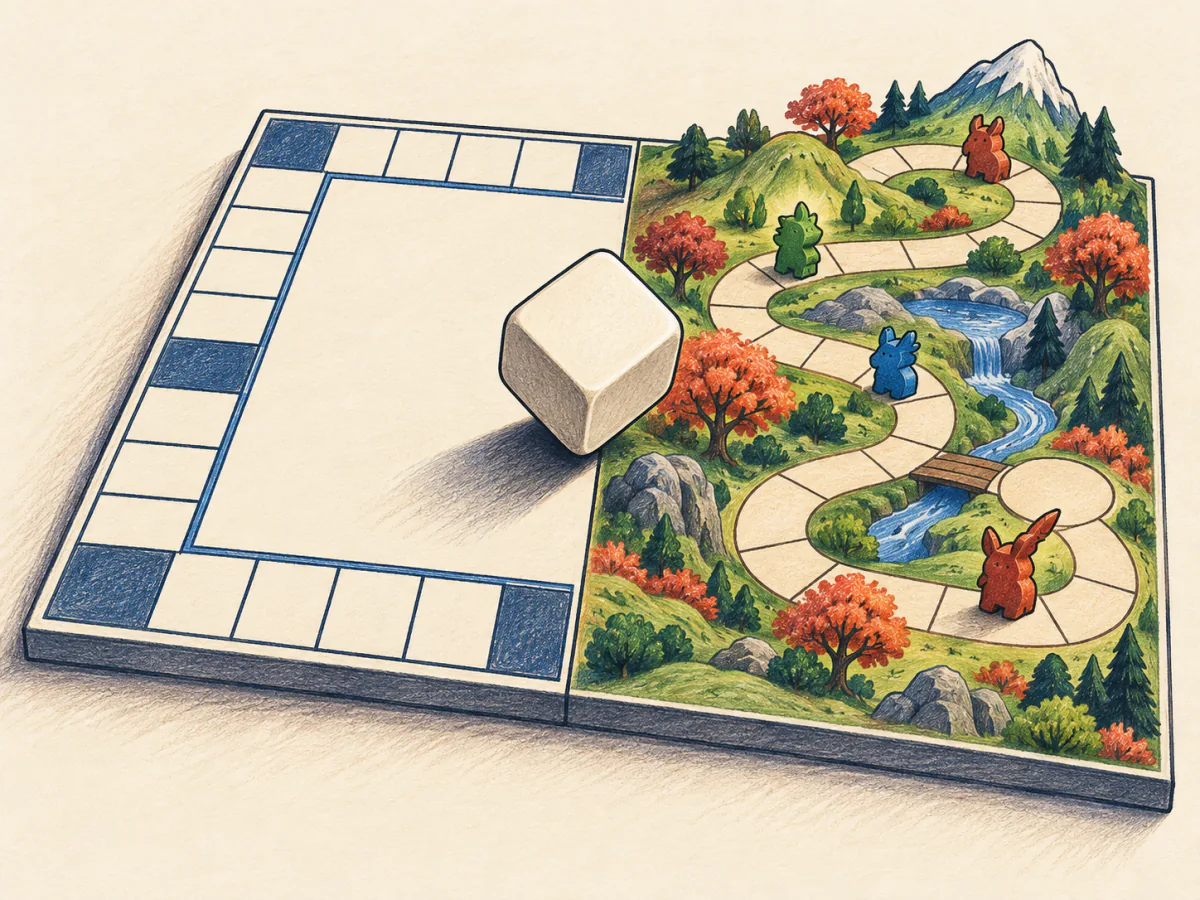
Pokémon Monopoly combines the familiar mechanics of the classic board game with key elements of the Pokémon franchise. It goes further than a visual makeover: this edition reworks the rules to fit the world of Pokémon Trainers.
Instead of the usual properties, the board features iconic locations such as Pallet Town, Saffron City and Gyms from the video games. Traditional cash gives way to Poké Balls, which become a vital resource for making progress. The aim is no longer simply to become the richest player: you must catch Pokémon and complete your Pokédex, or be the last Trainer with Poké Balls remaining.

These changes make Pokémon Monopoly a different kind of game, designed to immerse players in an adventure that feels true to the series.
Revised mechanics for a Pokémon adventure
Pokémon Monopoly does more than change the look of the board: it introduces new rules that depart from classic Monopoly.
One of the biggest changes is using Poké Balls instead of banknotes. Players spend them to explore locations, catch Pokémon and battle other Trainers. Each player chooses one of four tokens representing Pikachu, Sprigatito, Quaxly or Fuecoco. These companions join the hunt for the 48 wild Pokémon on the board.
Wild Pokémon tokens appear at specific locations, and players roll a capture die to try to catch them. Rolling a Poké Ball symbol means a successful catch, but each roll costs a Poké Ball. You therefore need to manage your resources carefully.
Battles between players add another twist. When a Trainer lands on a location controlled by an opponent, they can explore it or challenge that player to take control. A die roll decides the winner, with a bonus based on the Pokémon each player has caught. These mechanics add competition and immersion, making each turn more strategic.
An edition that appeals to fans but divides players
Pokémon Monopoly has found an audience among both children and adults nostalgic for the franchise. Fans especially appreciate the attention to its world: familiar locations from the video games, tokens depicting popular Pokémon and rules that strengthen the theme. For many, it is a fun way to spend time in the Pokémon universe with family or friends.
The changes also draw criticism. Players who prefer classic Monopoly point to the major changes to its gameplay. The absence of traditional features such as buying properties, building houses and hotels, and managing paper money leaves some disappointed. To them, this feels more like a Pokémon adventure than a Monopoly game.
Critics also argue that, although the new rules are easy to grasp, they limit the game’s strategic depth. Games are shorter and less focused on accumulating wealth, a central part of the original Monopoly. On the other hand, younger players often enjoy these changes, finding the catching and battle mechanics more lively and engaging.
Pokémon Monopoly divides opinion, and that is part of what makes it distinctive. For long-time Pokémon fans, it succeeds in turning a familiar board game into an immersive adventure that respects the spirit of the franchise. Catching 48 Pokémon, spending Poké Balls and battling other players make each game feel lively and true to its theme.
For Monopoly purists, however, it may stray too far from its roots. Without properties to buy or financial strategy to master, it is hard to compare directly with the classic editions. Some will see it as a Pokémon collectible rather than a true Monopoly game, which helps explain the mixed reactions.
This compromise between innovation and tradition still has merit. It gives a well-known game a fresh form that younger players can enjoy. The catching mechanics and Pokémon references appeal to children, while adult fans can appreciate the nostalgia.